

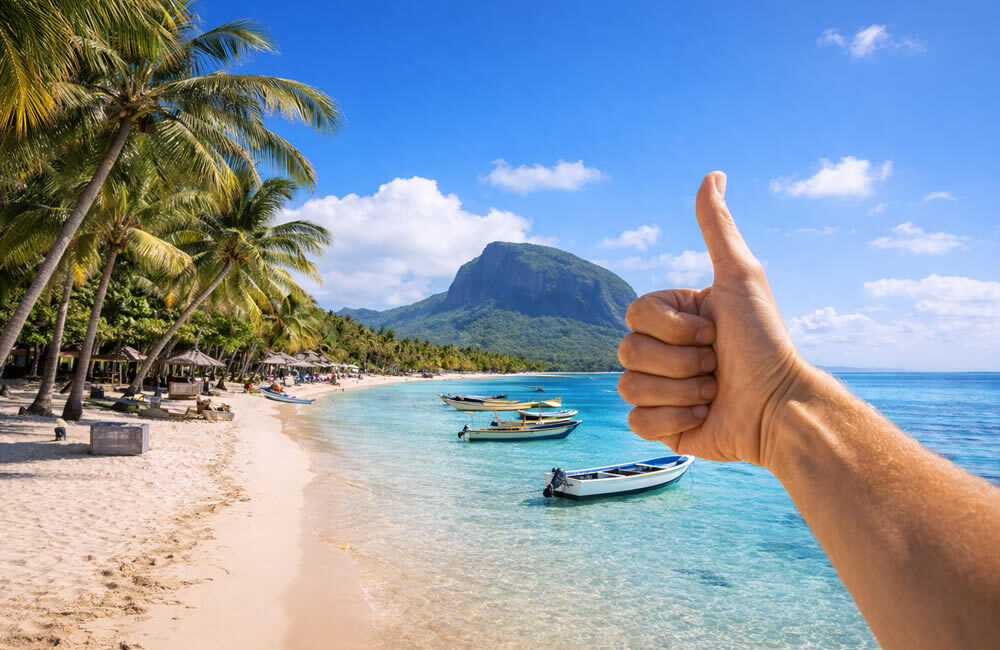


Safety is one of the first considerations travellers weigh up when planning a long-haul journey. Even when a destination is well known for its beaches or resorts, reassurance matters. Mauritius, an island nation in the Indian Ocean, is widely regarded as one of the safest destinations in its region, and this reputation is supported by international assessments as well as everyday visitor experience.
Political Stability and Social Environment
Mauritius is a politically stable democracy with a long-established tourism industry. It has welcomed international visitors for decades, and tourism plays a central role in the country’s economy. This has created strong awareness around visitor wellbeing and a generally welcoming attitude towards travellers.
International travel authorities consistently describe Mauritius as a safe destination with no specific security threats targeting tourists. The country also performs strongly in global peace and stability rankings, often cited as one of the most peaceful nations in Sub-Saharan Africa. Its multicultural society, shaped by African, Indian, European and Chinese heritage, functions with notable social cohesion, which visitors often notice in everyday interactions.
Crime Levels and Personal Safety
Crime exists in Mauritius, but it is usually low-level and opportunistic. The most common incidents affecting visitors involve pickpocketing, bag snatching or theft from unattended vehicles, particularly in busy urban areas. Violent crime involving tourists is rare.
For most travellers, basic precautions are sufficient. Keeping valuables secure, avoiding isolated areas late at night and remaining aware in crowded places generally ensures a trouble-free stay. Resort areas, coastal villages and established tourist zones tend to feel calm and well supervised, contributing to a relaxed sense of security.
Healthcare and Medical Services
Mauritius has a nationwide public healthcare system supported by a network of private clinics and hospitals. While public hospitals mainly serve residents, private medical facilities are commonly used by visitors and provide a good standard of care for both routine and emergency treatment.
Pharmacies are widely available across the island, medications are generally accessible, and medical professionals usually speak English and French. As with any international trip, comprehensive travel insurance is recommended, but travellers are not entering a destination where healthcare access is limited or uncertain.
Roads, Driving and Getting Around
Road safety is an area where visitors should be attentive rather than concerned. Driving is on the left, which may be unfamiliar for many travellers. Roads are generally paved and well maintained, though they can be narrow in rural areas and busy near towns.
Local driving habits can feel assertive, and pedestrians, cyclists or animals may share the road. Because of this, some travellers prefer not to self-drive and instead use private drivers or organised transport. Others enjoy the flexibility of hiring a car once they are comfortable with local conditions. Both options are common, and reliable car rental in Mauritius and experienced local drivers make it easy to choose what suits individual confidence levels.
Natural Risks and Weather Considerations
Mauritius is not prone to earthquakes or volcanic activity. Tropical cyclones can occur during the summer months, typically between January and March, but they are closely monitored by local authorities. Clear communication and early warnings allow hotels and services to prepare well in advance, and serious disruption is relatively uncommon.
Outside of the cyclone season, weather conditions are generally stable and predictable, contributing to the island’s reputation as a reliable year-round destination.
Beaches, Lagoons and Sea Safety
Many of Mauritius’ beaches are protected by coral reefs, creating calm lagoon conditions rather than open ocean surf. Lifeguards operate on popular public beaches, and resorts provide clear guidance on sea conditions.
As with any coastal destination, currents can exist in certain areas, and it is important to follow local advice and signage. Travellers exploring beyond resort areas often choose guided tours and excursions in Mauritius, which combine local knowledge with a structured and reassuring approach.
Language, Culture and Ease of Travel
Mauritius is considered an easy destination for international travellers. English and French are both widely spoken and used interchangeably in administration, tourism and business, while Mauritian Creole is the language of daily life. Visitors rarely encounter language barriers, and signage, menus and official information are commonly available in English and French.
Cultural customs are relaxed, though respectful dress is appreciated in towns, markets and religious sites. Visitors generally find interactions warm and informal rather than restrictive.
Who Travels to Mauritius and Why It Matters
One of the clearest indicators of Mauritius’ safety is the profile of its visitors. Families with young children, honeymooners and repeat travellers make up a large proportion of arrivals. These are groups that tend to return to destinations where they feel comfortable, supported and at ease.
Many visitors comment less on visible security measures and more on how naturally safe the island feels. From airport arrival to day-to-day travel, systems are in place to support visitors, and services such as airport transfers in Mauritius help make the experience smooth from the outset.
A Destination Built on Consistency and Trust
Mauritius does not require heightened vigilance, nor does it reward complacency. Like any destination, it benefits from common sense and awareness. What sets it apart is the balance it strikes between being culturally rich and reassuringly straightforward.
Its safety record is not built on image alone, but on long-term stability, social cohesion and experience. For travellers looking for an Indian Ocean destination that feels welcoming, well organised and easy to enjoy, Mauritius continues to justify its reputation as a reliable and secure choice.